
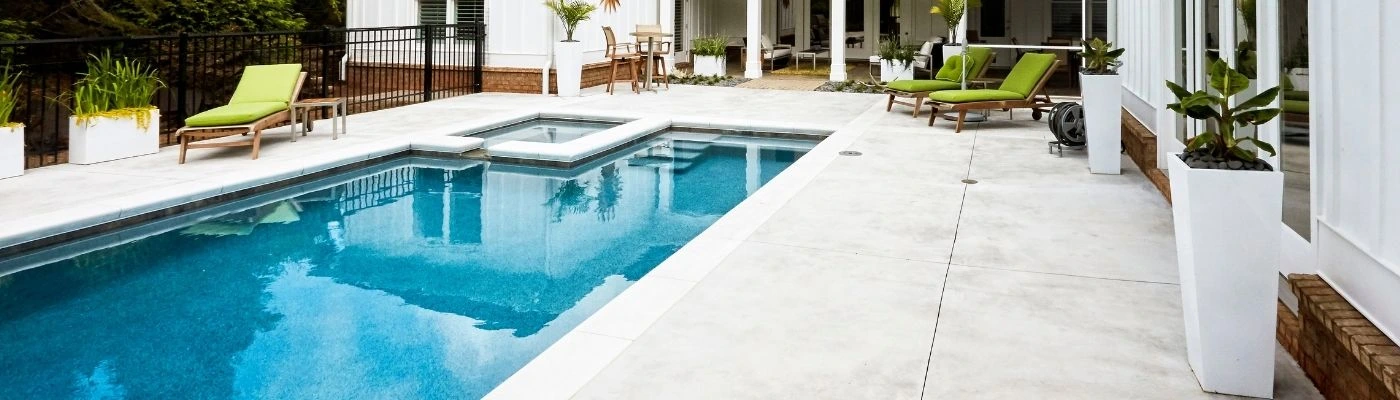
A concrete pool is one of the best lifestyle features you can add to a Gold Coast home, but even the toughest builds eventually need some TLC. Between the sun, salt, and near year-round use, local pools take on a fair bit of wear and tear. Renovating at the right time can save you from major repairs down the track. It also gives you a chance to improve safety, comfort, and how your outdoor space looks.
In this post, we’ll guide you through the signs that your pool might need work and how to tell if repairs are enough. We’ll also share easy maintenance to help you stretch the life of your concrete pool and explain when to time your renovation so you’re summer-ready.
Signs Your Concrete Pool Needs Renovating
These are the most common red flags to watch out for, especially in older pools around the Gold Coast:
Cracks in the Shell or Surrounds
Small cracks might not look serious, but they can allow water to escape and cause structural damage over time. These often form due to ground movement, ageing material, or poor drainage. Left unchecked, even minor cracks can turn into costly repairs.
Leaking Water
If your water level drops noticeably and often, it could be more than just evaporation. Leaks might come from the shell, plumbing, or fittings, and they’re especially common in older concrete pools. Diagnosing and addressing leaks can prevent bigger structural issues.
Rough or Worn Interior
The pool surface should feel smooth to the touch, not gritty or sharp. A rough interior can scrape skin and swimwear, and it’s usually a sign the finish is breaking down. Once the protective layer wears off, the underlying concrete becomes vulnerable.
Stains or Persistent Discolouration
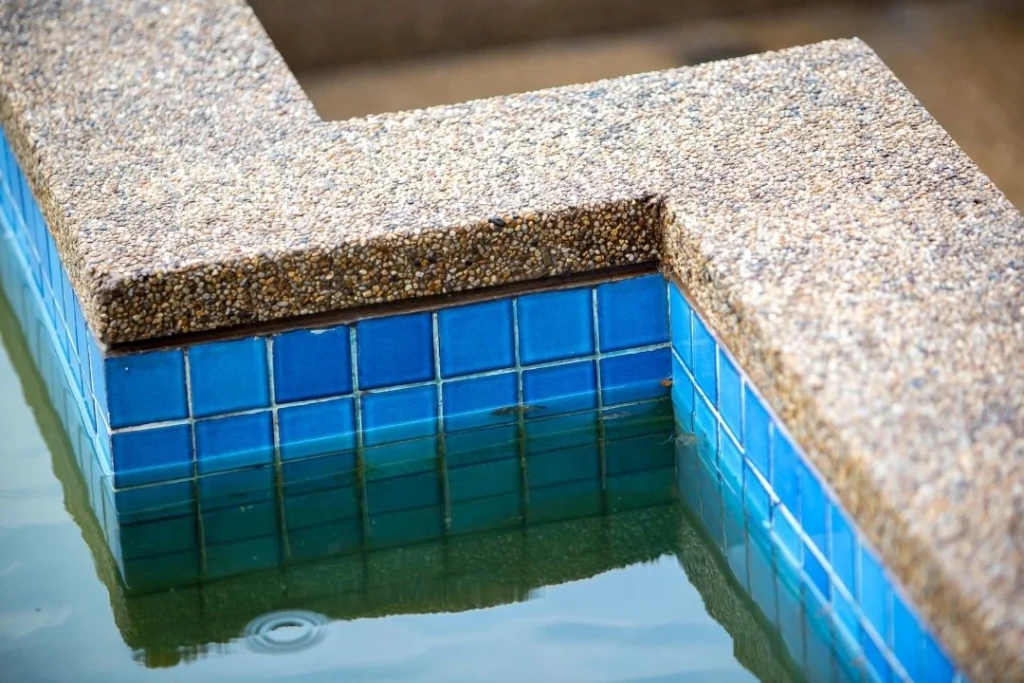
If you’re seeing rust, algae, or mineral stains that don’t disappear with regular cleaning, there may be a deeper problem. These stains can indicate surface degradation or water chemistry imbalances. Over time, they can permanently alter the appearance of the pool.
Damaged Tiles or Coping
Loose, cracked, or missing tiles might seem like a cosmetic issue, but they can let water get in behind the structure. The moisture can cause further damage to the shell and surrounding surfaces. Broken tiles are also a safety hazard for swimmers.
Outdated Style or Layout
A pool that once looked modern might now feel dated with the rest of your outdoor area. Renovation is a chance to refresh the look or add features like steps, lighting, or shallow zones, or a heated spa section. It also adds value to your property if you decide to sell in the future. If you’re considering bigger upgrades, it may also be worth choosing between concrete and fibreglass pools before committing to a renovation.
Repair or Renovate? Knowing the Difference
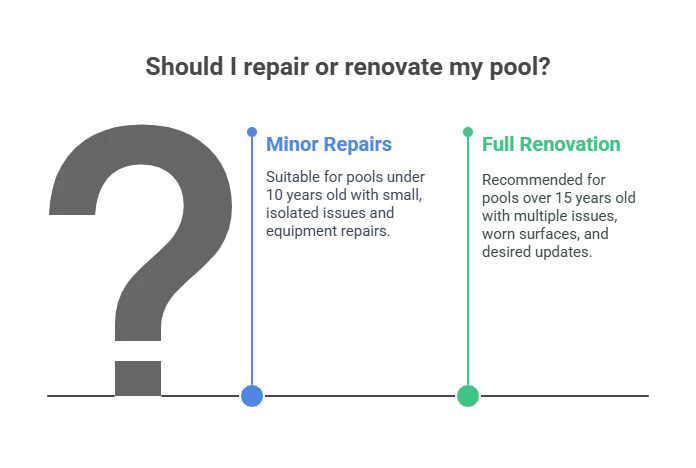
Wondering whether a quick fix will do the job or if it’s time for a full pool makeover? It usually comes down to how widespread the issues are and how long you want the solution to last. Here’s a quick guide:
Go for minor repairs if:
- The pool is under 10 years old
- You’re dealing with small, isolated issues (like a few cracks or loose tiles)
- Equipment repairs (e.g. pumps, filters) are the main concern
Consider a full renovation if:
- Multiple problems are appearing at once, such as leaks, staining, rough surface
- The pool surface is visibly worn or outdated
- The structure is over 15 years old and showing its age
- You want to update the layout, finish, or add new features
Why Renovation Often Wins Long-Term
Repairs might offer a quick fix, but they don’t always address the underlying issues. Renovating your concrete pool gives you a proper reset. It lets you restore the structure, update the style, and improve how the pool functions day to day. And if you’ve been spending on repeated repairs, a one-time renovation can be a more cost-effective option in the long run.
It also helps to understand what actually happens during the concrete pool renovation process. Knowing the typical steps involved, from stripping back the old surface to applying a new finish and upgrading any outdated systems, can make planning much easier.
Maintenance Tips to Extend Your Pool’s Life
Even the best-built pools need regular care to stay in top shape. A solid maintenance routine helps prevent damage, delays the need for renovation, and keeps the water safe and inviting. Here are a few simple habits that make a big difference:
Brush and Vacuum Weekly
Regular brushing prevents algae from clinging to the surface, especially in corners and steps. Vacuuming clears out leaves, sand, and other debris, which is important, especially if you live in leafy suburbs like Currumbin or Ashmore. Keeping things clean also reduces strain on your filtration system.
Balance Water Chemistry
Unbalanced water chemistry can cause staining, etch the surface, or corrode equipment. Test pH, chlorine, and alkalinity levels weekly, especially during peak swimming months. You can purchase a pool water testing kit that will help determine the water chemistry of your pool. If you’re unsure, a local pool shop can help you dial it in.
Inspect for Early Warning Signs
Catching small issues early, like loose tiles, tiny cracks, or unusual stains, can save you thousands. These problems often start small, but escalate quickly if left unattended. A visual check once a month is usually enough.
Book an Annual Pool Inspection
A professional can spot signs of structural wear that might not be visible to the untrained eye. They’ll also check equipment, plumbing, and overall pool health. It’s a smart move if your pool is over 10 years old or hasn’t been renovated before.
When Should You Renovate a Concrete Pool?
Timing your renovation right can save you from stress, money, and missed swim days. Knowing the typical lifespan of a concrete pool can help you plan ahead and not just react when things go wrong.
Typical Renovation Timeline
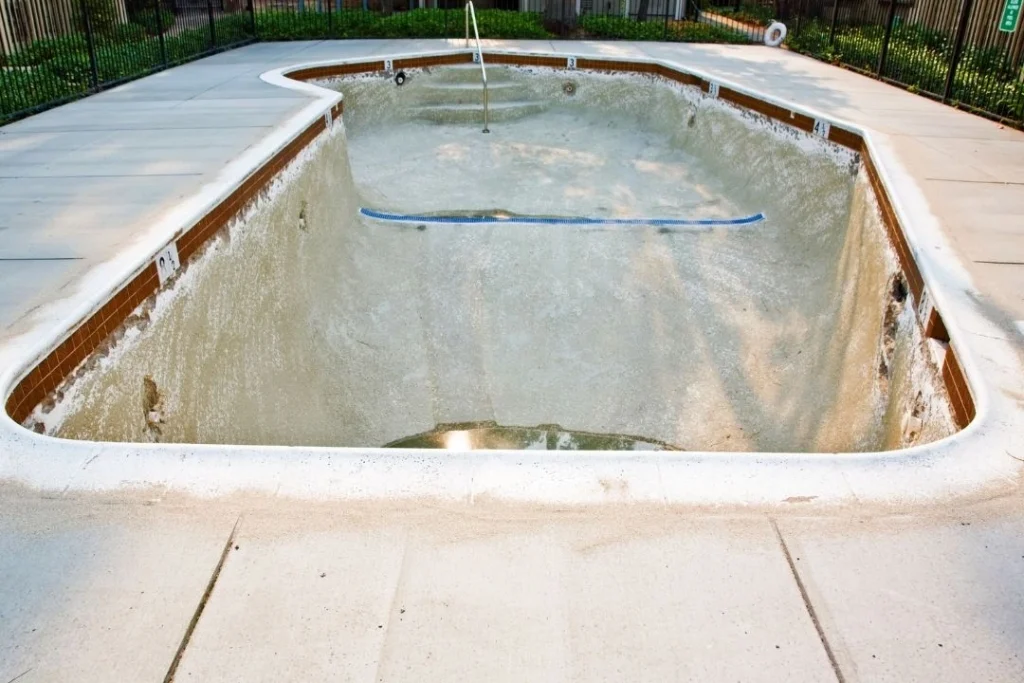
Most concrete pools need resurfacing every 10 to 15 years, depending on how well they’ve been maintained. A full renovation is usually worth considering once the pool hits the 15 to 25-year mark, especially if it’s showing multiple signs of wear. If it’s been a while since the last upgrade, now’s a good time to assess the condition.
How Long Will It Take?
On average, a concrete pool renovation takes between 2 to 6 weeks, depending on the scope of work. If you have a larger pool, and plan on making significant structural changes the renovation might take more than 6 weeks to complete. Simple resurfacing jobs may just take a couple of weeks, while structural repairs, plumbing upgrades, or design changes can take longer.
Best Time of the Year for Concrete Pool Renovations
Autumn and winter are an ideal time for concrete pool renovations on the Gold Coast. The weather’s relatively dry enough for work to go smoothly, plus you’ll avoid the late spring and early summer rush and have the pool ready for the summer holidays. Most Gold Coast pool renovation contractors also tend to have better availability outside the peak season from late spring to Christmas.
Final Thoughts
Concrete pools are built to last, but even they can’t escape the effects of time, weather, and regular use. Cracks, leaks, rough surfaces, or outdated features are all signs that it might be time to consider a renovation. Acting early prevents more issues, and it’s a great opportunity to improve the safety and enjoyment of your outdoor space. If you’ve noticed some warning signs or just feel like your concrete pool needs a refresh, it’s a good time to consider a complete pool renovation.
Thinking about renovating your concrete pool but not sure where to start? Get in touch with our team for a free on-site inspection and honest advice. We’ll assess the condition of your pool and recommend the most effective approach. Give us a call on (07) 5651 0404 to get started!

